Gum & Periodontal Care
Scaling & root planing, gum disease management and bad-breath treatment at Dr. Anuj Barolia’s Dental Studio in Alkapuri, Vadodara — early detection, deep cleaning, and a maintenance plan that keeps teeth anchored for life.
Treatment Overview
What is Gum & Periodontal Care?
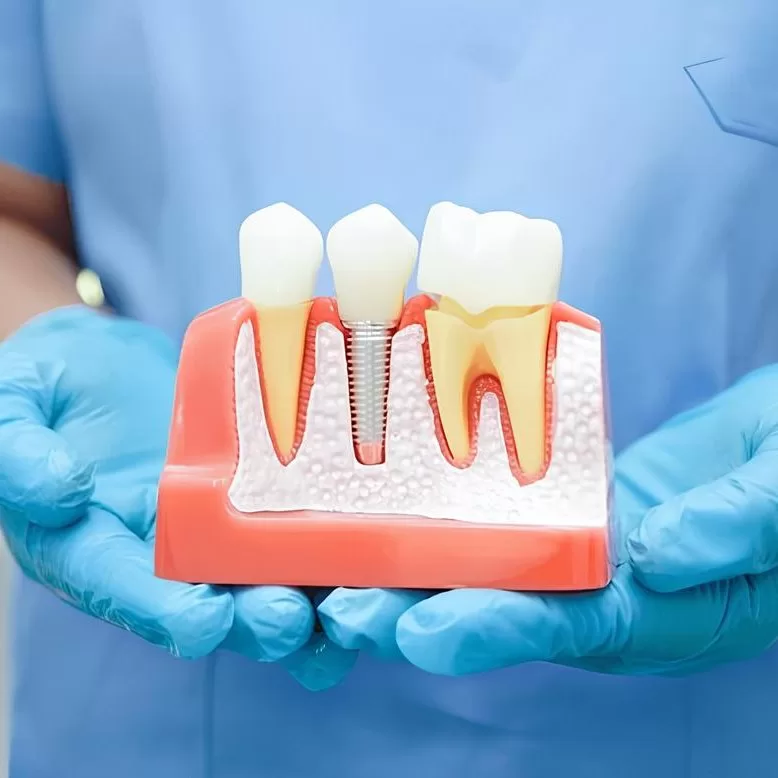
Periodontal (gum) disease is inflammation and infection of the tissue that holds your teeth in place. It starts with plaque and tartar building up below the gum line, progresses to pockets, bone loss and — untreated — tooth loss. The early signs are the ones most people miss: gums that bleed while brushing, redness, swelling, persistent bad breath, or teeth that feel loose. The good news: at an early stage it is fully reversible. Our periodontal program starts with detailed charting (probing depths on every tooth), then deep-cleans the tooth roots, and adds medication or surgery only when the case genuinely needs it.
Who is this treatment for?
- Bleeding, red or swollen gums
- Receding gums or pockets deepening over time
- Persistent bad breath that brushing does not fix
- Loose teeth or a changing bite
- Smokers and diabetics (higher gum-disease risk)
- Anyone wanting an implant or prosthetic work done on a healthy foundation
Key benefits of Gum & Periodontal Care
Evidence-backed oral health, functional chewing, and aesthetic improvements achieved with this procedure.
Stops the disease before it destroys supporting bone
Saves teeth that would otherwise be lost
Eliminates the root cause of chronic bad breath
Recreates healthy gum contours around teeth
Makes future implants and crowns far more predictable
A clear maintenance rhythm that keeps results in place
The treatment process
From initial digital diagnostics to your final restoration, here is exactly what happens.
Periodontal Charting
A full-mouth assessment: probing depths, bleeding points, mobility and digital X-rays to map exactly where the disease sits.
Scaling & Root Planing
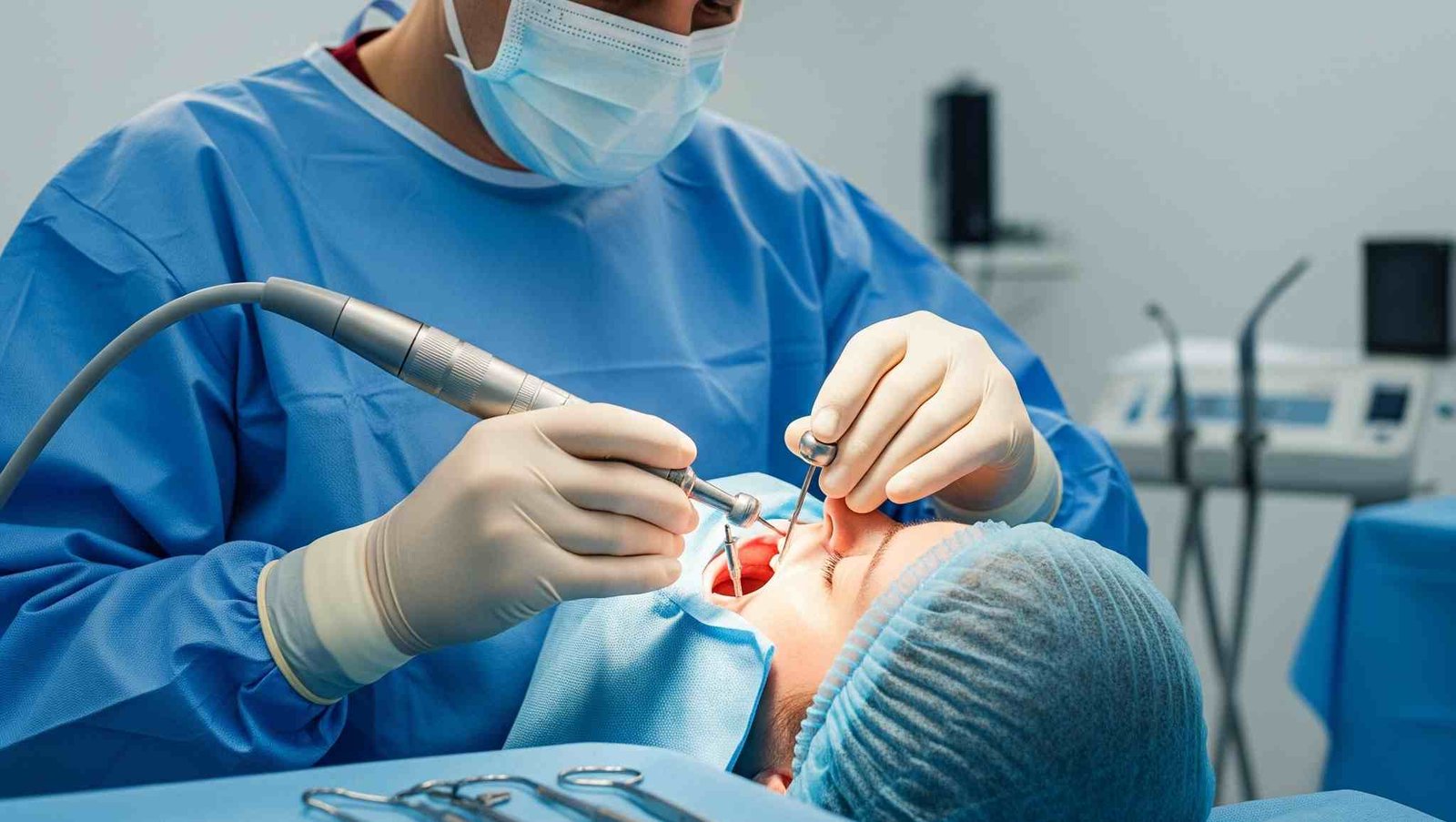
Ultrasonic deep-cleaning below the gum line removes hardened tartar and bacterial toxins from the roots, so gums can re-attach.
Adjunctive Therapy
Where infection is significant, antimicrobial rinses or short antibiotic courses help control the bacterial load during healing.
Surgical Correction (if needed)
For advanced cases, flap surgery or bone/tissue grafts restore the architecture around the tooth so it can be held long-term.
Maintenance Rhythm
Recall visits every 3–4 months — the single biggest factor in keeping gums healthy — plus personalized home-care technique coaching.
Advanced technology utilized
We employ precision instruments and digital scanning systems to ensure your gum & periodontal care is conducted with safety and microscopic accuracy.
- Ultrasonic scalers
- Air-polishing for stain removal
- Digital periodontal probing
- Low-dose CBCT for bone assessment
- Antimicrobial adjuncts

Dr. Anuj Barolia
BDS, MDS, FICOI (USA)Chief Prosthodontist & Implantologist
Dr. Barolia oversees every stage of treatment planning, from digital 3D scans to surgical placement and final aesthetic ceramic bonding, ensuring global prosthodontic standards.
Meet Dr. Barolia →Understanding treatment costs
Basic hygiene and scaling are charged per visit at standard rates; comprehensive periodontal therapy is quoted after the charting examination, with payment plans available for multi-visit treatment.
Between deep cleanings, gums may feel tender and teeth slightly sensitive for a few days — this settles as the tissues heal. Long-term success depends on daily technique: brushing twice daily, interdental cleaning (floss or interdental brushes), and attending every recall visit. Untreated periodontitis is the leading cause of adult tooth loss worldwide; the cost of a maintenance plan is a small fraction of what replacing lost teeth costs.
Common clinical alternatives
During your diagnostic consultation, Dr. Barolia evaluates all viable alternative pathways:
Routine Hygiene Visit
For healthy gums: a professional cleaning every 6 months prevents disease from starting.
Surgical Flap Treatment
For advanced pockets that cannot be cleaned non-surgically — restores access and contour.
Implant Replacement
When a tooth is lost to advanced disease, an implant on healed bone is the definitive replacement.
Frequently asked questions about Gum & Periodontal Care
Q: Does gum treatment hurt?
Scaling on healthy or mildly inflamed gums is very comfortable. Deep cleanings can leave teeth a little sensitive for a couple of days, and we can use local anesthetic for longer sessions.
Q: How do I know if I have gum disease?
The most reliable early sign is bleeding while brushing or flossing. If your gums bleed regularly, or you notice receding lines, bad breath, or teeth that feel loose, book an assessment — the charting takes 20 minutes and answers everything.
Q: How often will I need maintenance visits?
Active periodontitis is managed on a 3-month cycle until it is stable, then typically every 4–6 months. The exact rhythm is set at your recall plan and adjusted as your gums improve.
Q: Can I keep my teeth if my gums are advanced?
Usually, yes — the earlier we start, the better. Deep pockets can be reduced, bone can be grafted, and even severely affected teeth can be stabilized with modern therapy.