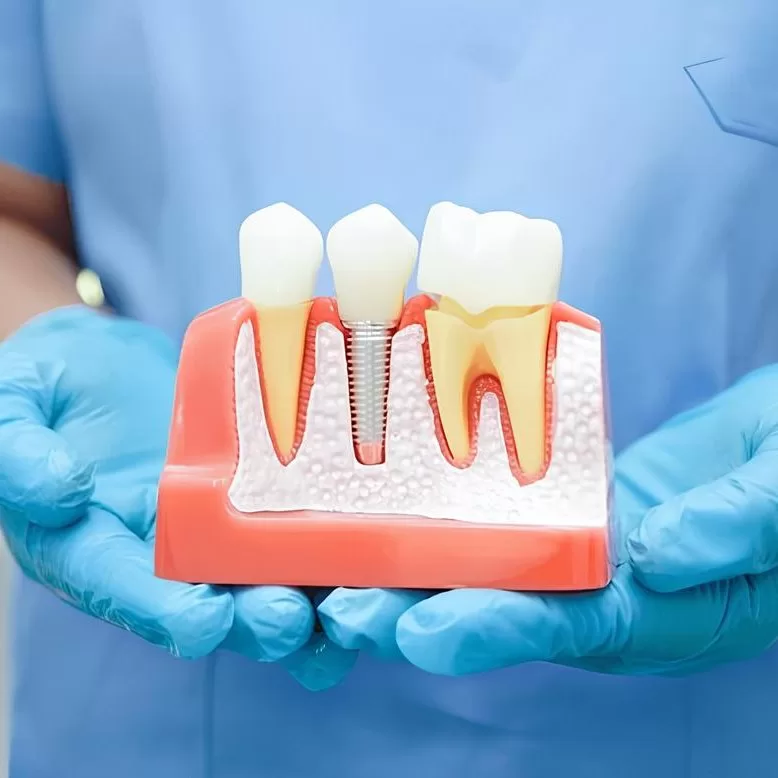
Wisdom Tooth & Tooth Extraction
Safe, minimally-invasive wisdom tooth and routine extractions at Dr. Anuj Barolia’s Dental Studio in Alkapuri, Vadodara — precise 3D surgical planning, modern anesthesia, and guided, comfortable recovery.
Treatment Overview
What is Wisdom Tooth & Tooth Extraction?
Wisdom teeth (third molars) often have no room to grow correctly — they can erupt at an angle, break through the gum only partially, or stay trapped beneath the gum and bone. Left unchecked this leads to pain, infection, damage to the neighbouring molar, and gum disease. Dr. Anuj Barolia treats extraction as a last resort: whenever a tooth can be saved with a root canal or restoration, he preserves it. When removal is truly necessary — to stop the spread of infection, relieve overcrowding, or prepare the jaw for orthodontics or implants — the procedure is planned on 3D imaging and executed with minimally invasive technique.
Who is this treatment for?
- Impacted or partially erupted wisdom teeth causing pain, swelling or infection
- Teeth too damaged to save with a filling or root canal
- Severe decay or abscess that threatens surrounding bone
- Crowded arches that need space for orthodontic alignment
- Teeth in the path of a planned bridge or implant
- Loose, fractured, or unrestorable teeth
Key benefits of Wisdom Tooth & Tooth Extraction
Evidence-backed oral health, functional chewing, and aesthetic improvements achieved with this procedure.
Removes the source of pain, infection and abscess before it spreads
Protects adjacent molars from resorption and decay
Relieves crowding and creates room for orthodontic movement
Prepares the jaw for implants, bridges or dentures
Minimally invasive technique with fast, comfortable recovery
Detailed aftercare plan so healing is predictable
The treatment process
From initial digital diagnostics to your final restoration, here is exactly what happens.
Consultation & 3D Imaging
A thorough examination with CBCT 3D scans to map the tooth roots, jawbone and nearby nerves before any extraction is planned.
Anesthesia Planning
Local anesthesia is selected and discussed; sedation options are available for anxious patients.
The Extraction
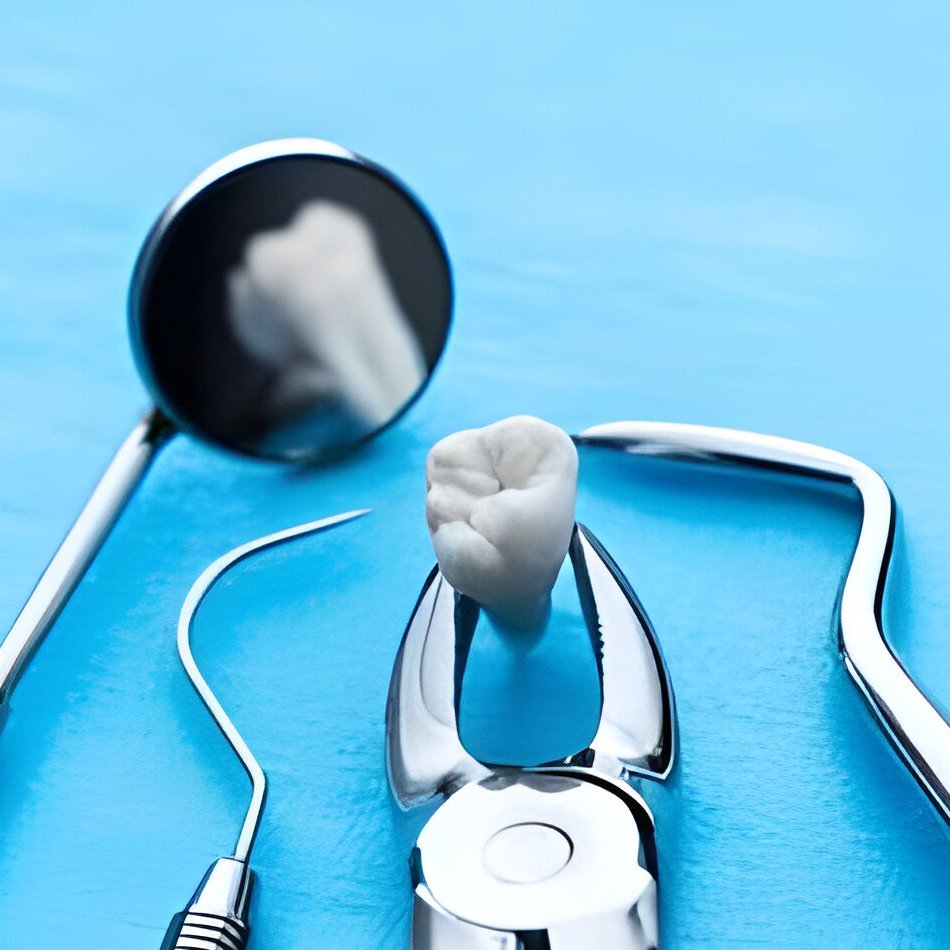
The tooth is gently loosened from the ligaments and bone and removed with minimal tissue damage; impacted wisdom teeth may need a small gum incision.
Socket Care & Clot Protection
A gauze pad is placed over the socket to promote stable clotting; you receive written aftercare covering diet, hygiene and medication.
Follow-Up Review
A post-operative visit confirms healthy healing, and replacement options (implant, bridge) are discussed where needed.
Advanced technology utilized
We employ precision instruments and digital scanning systems to ensure your wisdom tooth & tooth extraction is conducted with safety and microscopic accuracy.
- CBCT 3D surgical planning
- Minimally invasive elevators & forceps
- Ultrasonic-assisted sectioning for impacted teeth
- Digital anesthesia delivery
- Sedation options for anxious patients

Dr. Anuj Barolia
BDS, MDS, FICOI (USA)Chief Prosthodontist & Implantologist
Dr. Barolia oversees every stage of treatment planning, from digital 3D scans to surgical placement and final aesthetic ceramic bonding, ensuring global prosthodontic standards.
Meet Dr. Barolia →Understanding treatment costs
The cost varies with case complexity — routine extractions are straightforward and affordable, while surgical removal of impacted wisdom teeth takes longer. A detailed estimate is provided before the procedure, and flexible payment options are available.
Aftercare is the biggest factor in a smooth recovery: bite on the gauze for 30–40 minutes, apply ice packs for the first 24 hours, eat soft foods, avoid straws and smoking for 48–72 hours, and keep the socket clean. Watch for signs of dry socket (intense pain returning after day 2–3) and contact the clinic the same day — it is common and easily treated. Follow-up visits are included in the care plan.
Common clinical alternatives
During your diagnostic consultation, Dr. Barolia evaluates all viable alternative pathways:
Root Canal (tooth preservation)
When the tooth is sound enough to keep, we prefer saving it with endodontic treatment and a crown.
Dental Implant
An extracted tooth can be replaced later with an implant and zirconia crown, preventing ridge shrinkage.
Watch-and-Wait
Healthy, fully erupted, functional wisdom teeth that have room may simply be monitored with regular X-rays.
Frequently asked questions about Wisdom Tooth & Tooth Extraction
Q: Does wisdom tooth removal hurt?
No. The procedure is performed under local anesthesia (with sedation available), so you feel pressure but not pain. Most patients report that recovery is far more comfortable than they feared, and most are back to normal within 2–3 days.
Q: At what age should wisdom teeth be removed?
The window of easiest, safest removal is usually the late teens to early twenties, when roots are shorter and bone is more elastic. However, extractions are performed safely at any age — and impacted teeth that cause problems can and should be treated even in adulthood.
Q: What should I eat after an extraction?
Cool, soft foods for the first 2–3 days (yogurt, khichdi, soft idli, smoothies without a straw), advancing to normal food as healing progresses. Avoid hot, spicy, or hard foods for the first 48 hours.
Q: Will the gap left behind be a problem?
For wisdom teeth, no — they sit at the back of the jaw and adjacent teeth do not collapse. For other extracted teeth, the gap can drift; we plan the replacement (implant, bridge) during the consultation.